
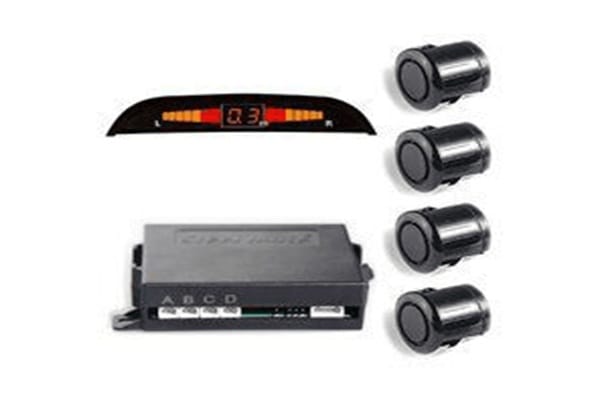
Parking sensors are an essential safety component for every car and a lifesaver for every modern driver. Whether navigating tight traffic or driving through narrow driveways, a component and working sensor are essential to help the driver park the vehicle with confidence and convenience.
However, when it comes to installation, vehicle owners often opt for DIY installations, which is not feasible. A professional fitting service ensures the parking sensor is working properly. While DIY installation might seem cost-effective, it can endanger the driver’s life and the car’s safety.
What are parking sensors, and why are they important?
Parking sensors use ultrasonic or electromagnetic technology to detect obstacles as the driver tries to park in a narrow passageway or amid heavy traffic. It alerts the driver with audible and visual signals. They are particularly useful when there are low or invisible boards, walls, or pedestrians at the back of the car that are not visible in the mirrors, and the driver cannot get a clear view of the obstacles.
Why professional installation matters?
Sensor positioning in parking sensors is of utmost importance. If the sensors are installed too high or too low, or if they are unevenly spaced, detection becomes difficult, and the risks increase. DIY installations most often trigger false alarms. Hence, for parking sensors fitted in Norfolk, get in touch with the professionals who can help with installation and ensure proper positioning and alignment. The professionals are experienced, use the correct drilling measurements, and place angles optimally, which helps ensure proper detection of the obstacles.
What are the risks of DIY parking sensor installation?
Electrical complications
Improper wiring during the sensor’s DIY installation can cause electrical issues throughout the vehicle. Improper wiring will affect the lighting circuits and battery management system. This also triggers warning lights and drains the battery. Moreover, if you tamper with the vehicle’s wiring, you might unknowingly void the manufacturer’s warranty. Professionals use the vehicle-specific wiring processes and connectors to avoid electrical faults.
Aesthetics and structural damage
While installing the sensor, you need to drill a hole in the bumper. During a DIY installation, paintwork can crack, and the bumper can sustain permanent aesthetic damage. Professionals use specialised tools to make the hole precisely without any cosmetic damage. Sometimes they install colour-coded sensors as well, which match seamlessly with the exteriors of the house.
High-quality sensors
Professional installers use premium-grade sensors, which are durable and weather-resistant. Moreover, they install durable, weather-resistant, premium-grade sensors, unlike the low-cost sensors in DIY kits. With professional installation, you can ensure long-term reliability of all the sensors under changing weather conditions.
Warranty and aftercare support
One of the strongest advantages of professional sensor fitting is the professional warranty protection on the installation. When an issue arises, expert support is available readily. However, if you install the sensor without professional help, you won’t receive any extra support if there’s a failure.
Contact Auto Installations Ltd for certified parking sensor installations in Norfolk. Contact us for more information.